BHAGIYA RAJ
Managing Director
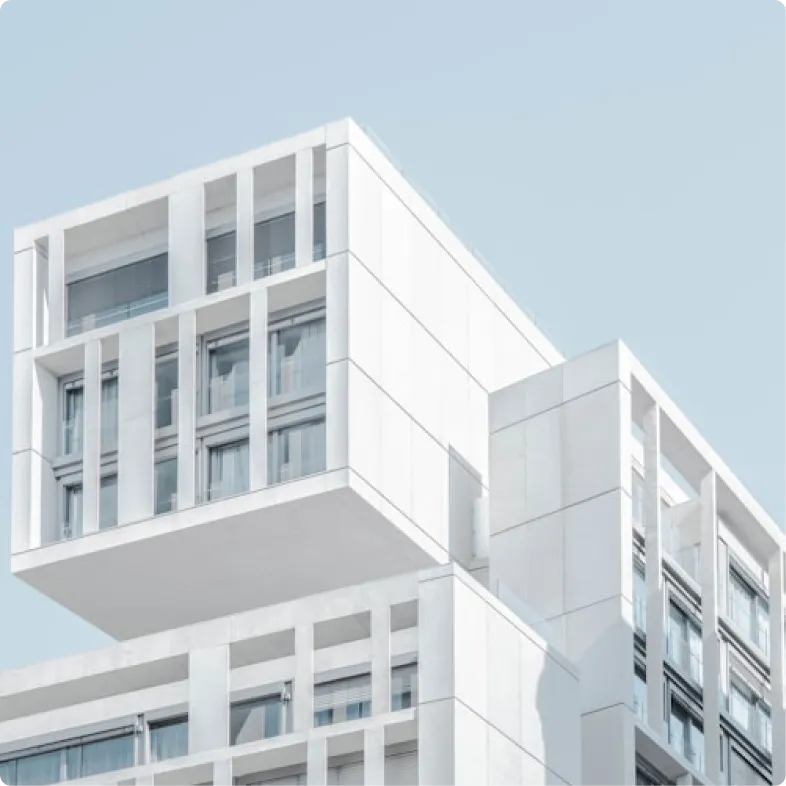
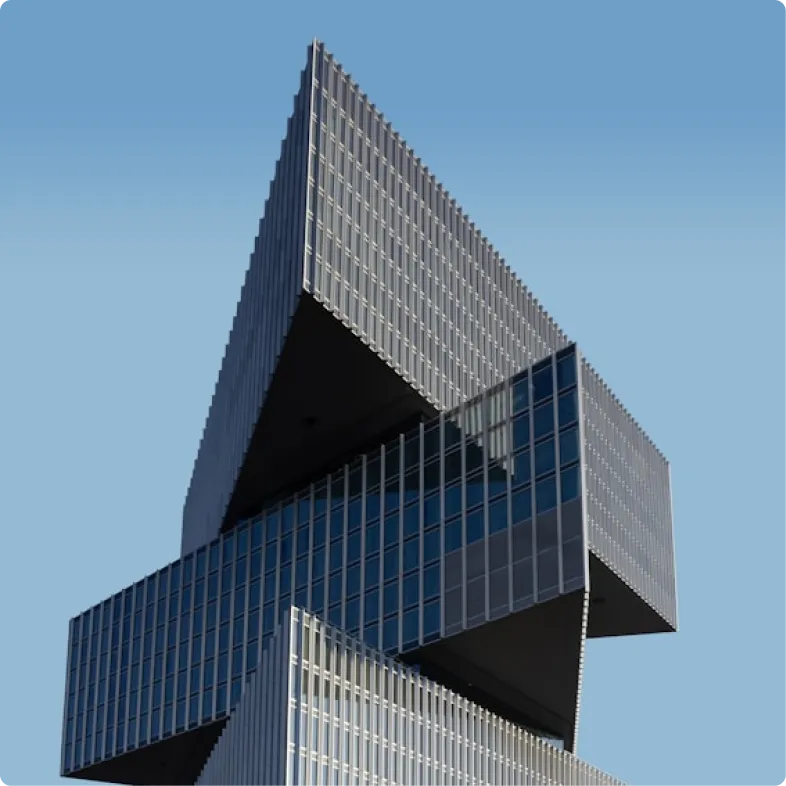
Timeless Elegance: The Art of Enduring Architecture
True luxury isn't just about expensive materials or current trends;
it's about creating spaces that stand the test of time. When designing a home that ages well,
the focus must shift from the ephemeral to the eternal. This means selecting natural materials
like stone, wood, and marble that develop a rich patina over the years, rather than synthetic
finishes that merely degrade. The goal is to build a foundation that grows more beautiful with
every passing season.
Functionality Meets Aesthetic Longevity
A home that ages well must be adaptable. As lifestyles change, spaces
should be flexible enough to evolve without requiring major structural overhauls. Open floor
plans with defined zones, rather than rigid walls, allow for this fluidity. Furthermore,
prioritizing natural light and ventilation not only ensures the health of the building's
occupants but also preserves the interior finishes by reducing reliance on artificial climate
control systems that can dry out or damage materials.
"Architecture should speak of its time and place, but yearn for
timelessness. A luxury home is a sanctuary that tells the story of its inhabitants, accumulating
memories and character in its very walls, becoming a legacy rather than just a property."
Finally, the integration of technology should be subtle. Smart home
features are essential in modern luxury, but they should not dominate the aesthetic. Concealed
wiring, integrated sound systems, and automated climate control should work silently in the
background. By keeping the "tech" invisible, you ensure the home doesn't look dated the moment
the next gadget is released. The ultimate luxury is a home that feels effortless, comfortable,
and permanently stylish, regardless of the decade.
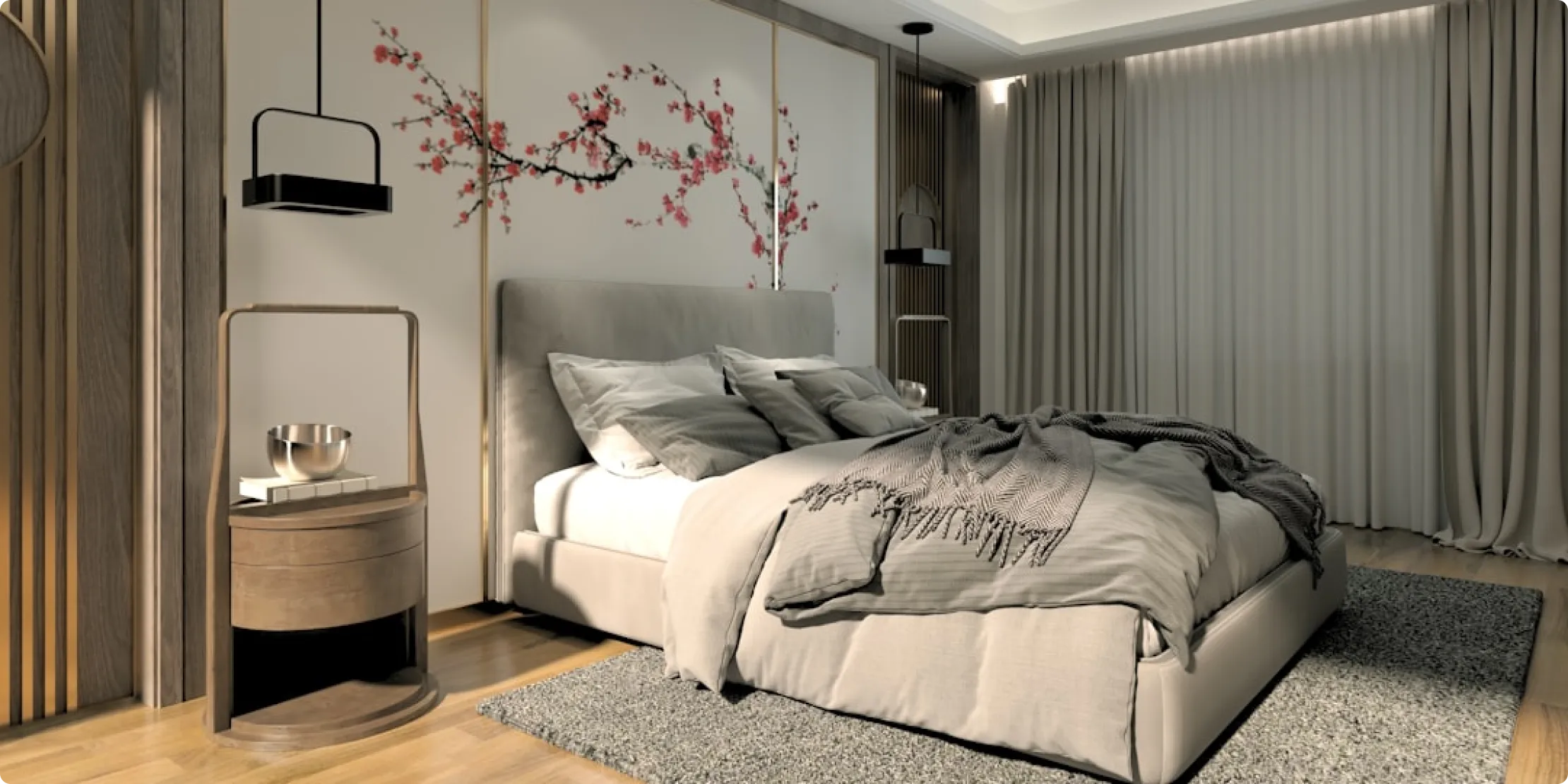
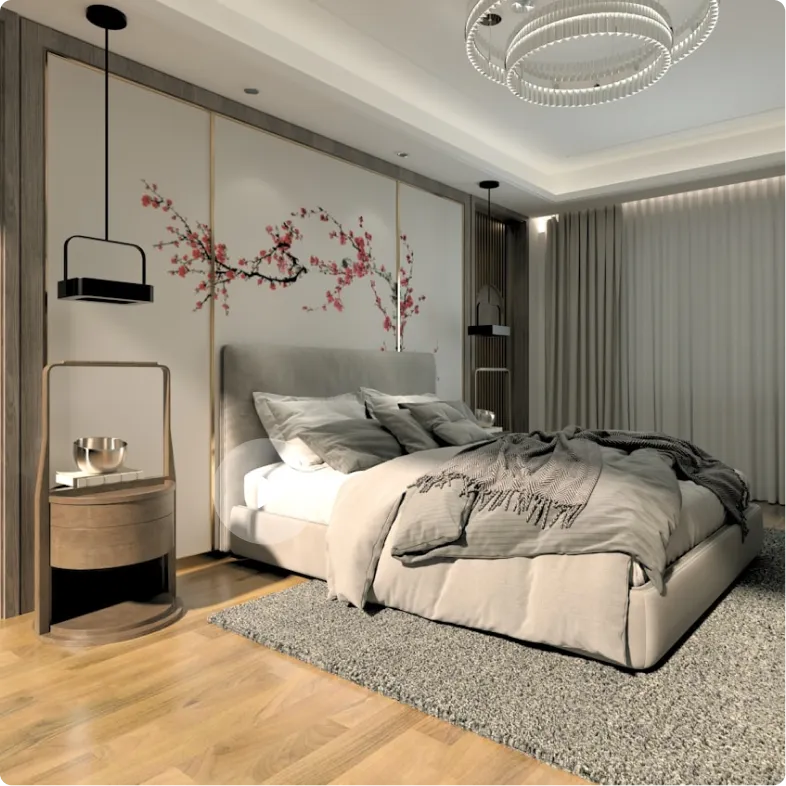
 Specific Designs



 30 JUL
2025
30 JUL
2025
 6 MIN
6 MIN